How to Track User Behavior in Fintech Without Breaking Trust

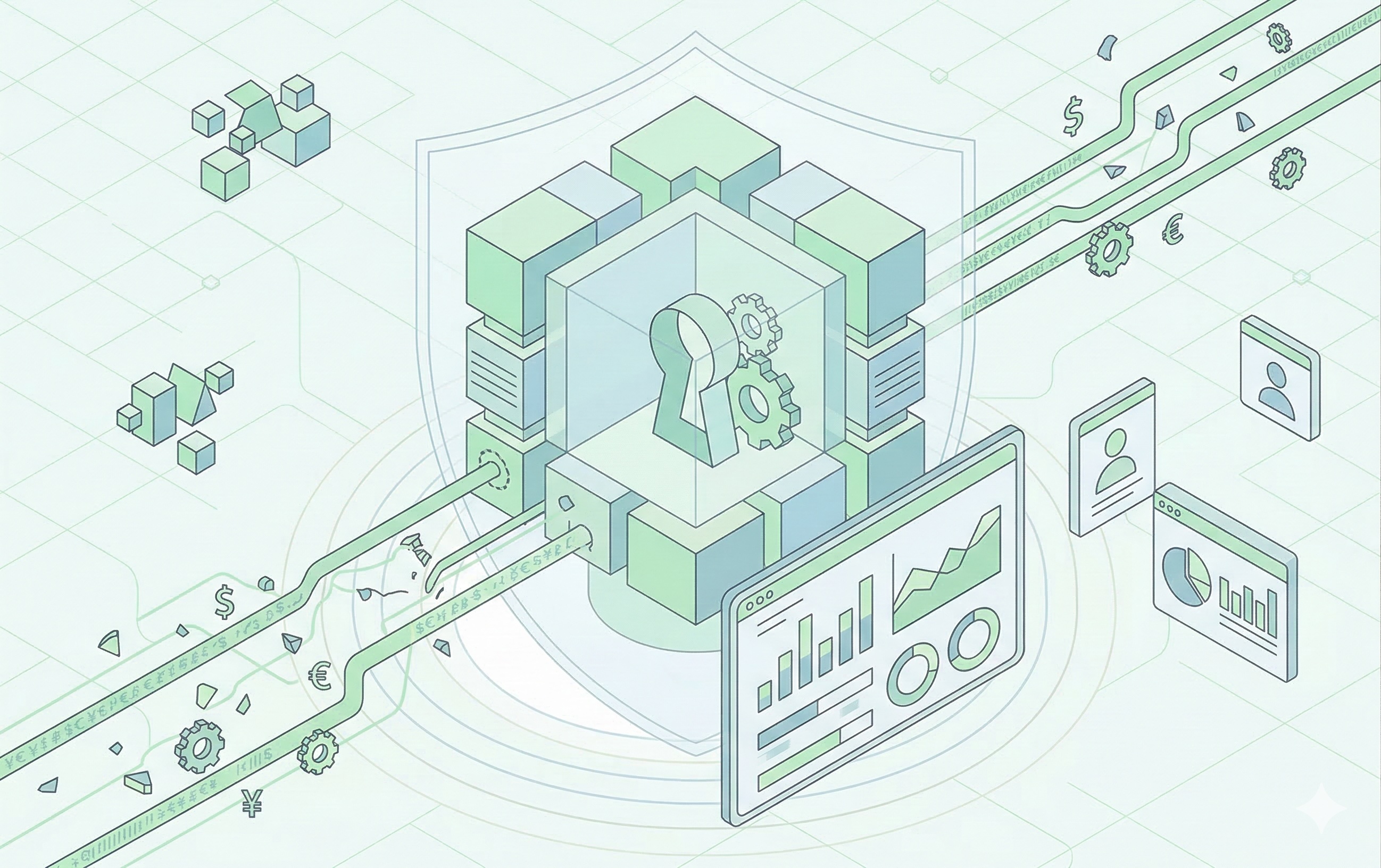
Financial apps live and die by trust. While behavioral analytics can reveal exactly where users drop off during onboarding or why they abandon a loan application, fintech teams face a fundamental tension: the data insights that drive better products are the same data practices that make users nervous.
The solution isn't choosing between understanding your users and respecting their privacy. Modern behavioral analytics approaches let product teams track user journeys, optimize conversion paths, and improve retention while maintaining the transparency and data protection standards that financial services demand. This requires rethinking not just which analytics tools you use, but how you collect, store, and leverage user behavior data from the ground up.
Why behavioral analytics matters in fintech
Behavioral analytics reveals the story behind your metrics. Where traditional analytics shows that 40% of users abandon your sign-up flow, behavioral analytics shows that they specifically drop off when asked for their Social Security number, spend an average of 47 seconds on that screen, and rarely return.
For fintech products, these insights directly impact business outcomes. A peer-to-peer payment app that identifies friction in its verification process can reduce onboarding time and increase activation rates. A lending platform that understands the typical journey from application to approval can optimize each touchpoint to improve conversion. Digital banking products that track feature adoption patterns can prioritize development resources toward capabilities users actually want.
Beyond product optimization, behavioral analytics supports regulatory compliance requirements. Understanding how users interact with disclosures, consent mechanisms, and security features helps teams demonstrate they're meeting transparency obligations. Journey analytics can also identify potential security concerns—unusual behavior patterns often signal fraud or account compromise before traditional security measures catch them.
The retention impact is equally significant. Financial products face fierce competition and low switching costs. Behavioral data helps teams identify at-risk users before they churn, understand which features drive long-term engagement, and personalize experiences without creating privacy concerns.
The trust challenge: What fintech users expect
Financial app users bring heightened privacy expectations. They're sharing sensitive information: income details, spending patterns, investment decisions, loan applications. A 2024 survey found that 73% of fintech users consider data privacy their top concern when choosing financial services apps—ranking it above even fees or interest rates.
This skepticism has roots in reality. Users have watched data breaches expose millions of financial records. They've seen their transaction data sold to advertisers. They know their banking habits reveal intimate details about their lives: health conditions, relationship changes, political donations, religious affiliations.
Specific concerns cluster around several areas. Users worry about who sees their data beyond the primary app—third-party analytics providers, advertising networks, data brokers. They question how long companies retain behavioral information and whether deletion truly means deletion. They're uncertain about what "anonymized" actually means when their financial patterns might still identify them. They want to understand what's being tracked, why it's necessary, and how it improves their experience.
The regulatory landscape reflects these concerns. GDPR, CCPA, and financial services regulations like PSD2 establish strict requirements around consent, data minimization, and purpose limitation. But compliance alone doesn't build trust. Users can tell the difference between grudging legal compliance and genuine commitment to privacy.
Privacy-preserving approaches to journey tracking
Effective behavioral analytics in fintech starts with privacy-by-design principles, not privacy-as-afterthought compliance. This means technical and policy choices that limit data collection to what's genuinely necessary and protect user information at every stage.
Data minimization forms the foundation. Rather than capturing every possible user interaction, teams should identify specific journey questions they need to answer and collect only relevant behavioral data. If you're optimizing your loan application flow, you don't need to track how users interact with their transaction history. Purposeful collection reduces both privacy risk and data storage costs.
Anonymization and pseudonymization techniques prevent behavioral data from being linked back to individuals. This goes beyond simply removing names. Effective anonymization strips IP addresses, device identifiers, and precise timestamps that could enable re-identification. Pseudonymization replaces actual user identifiers with random tokens, allowing journey analysis across sessions without exposing personal information.
Consent management must be genuine, not performative. Users should understand what behavioral tracking occurs, why it benefits them, and how to opt out without losing core functionality. Transparent consent means granular choices—letting users accept essential analytics while declining marketing-related tracking.
Self-hosted vs. cloud analytics: Control and compliance
The infrastructure choice for behavioral analytics carries significant privacy implications. Traditional cloud analytics platforms send user behavior data to third-party servers, often across jurisdictions. This creates compliance headaches under regulations like GDPR, which restricts cross-border data transfers, and raises user concerns about who can access their information.
Self-hosted analytics solutions shift control back to fintech companies. By running analytics infrastructure on your own servers or private cloud, you maintain complete ownership of behavioral data. This simplifies compliance—data never leaves your environment without explicit action. Users can verify that their information stays within regulated boundaries rather than being replicated across global content delivery networks.
Self-hosting also eliminates third-party data sharing concerns. Cloud analytics providers often aggregate data across customers or use it to improve their platforms. Self-hosted tools process only your users' data for your specific purposes. This architectural difference matters both for regulatory compliance and user trust.
The trade-off is operational responsibility. Self-hosted analytics requires infrastructure management, security hardening, and scaling capabilities. However, modern containerized solutions have dramatically reduced this overhead. For fintech companies already managing sensitive data infrastructure for core products, adding analytics to existing secure environments often makes more sense than introducing new third-party dependencies.
Building transparent analytics practices
Technical privacy protections mean little if users don't understand or trust them. Transparency turns privacy features into trust-building opportunities.
Start with clear communication about what you track and why. A brief, jargon-free explanation during onboarding—"We track how you navigate the app to identify confusing flows and fix bugs"—sets expectations. Privacy dashboards let users see what behavioral data you've collected about them, reinforcing that you have nothing to hide.
Give users meaningful control. Opt-out mechanisms should be easily discoverable and actually work, not simply hide checkboxes while continuing data collection. Consider offering tiered consent: essential analytics for product functionality versus optional analytics for personalization features.
Share how insights improve their experience. When behavioral analytics leads to a faster checkout flow or clearer loan terms, tell users. Connecting abstract "analytics" to concrete benefits demonstrates that tracking serves them, not just your business metrics.
Regular privacy audits and third-party assessments add credibility. Security certifications, penetration testing results, and compliance reports provide external validation of your privacy claims.
Key Takeaways
•Financial apps face a critical tension between gathering behavioral analytics for product improvement and maintaining user trust through strong privacy practices.
•Modern behavioral analytics approaches enable fintech teams to track user journeys, optimize conversions, and improve retention without compromising data protection standards.
•The solution isn't choosing between understanding users and respecting privacy—both objectives can be achieved simultaneously with the right approach.
•Success in fintech analytics requires rethinking the entire data lifecycle: how user behavior data is collected, stored, and leveraged.
•Transparency and adherence to financial services data protection standards are essential components of any behavioral tracking strategy in fintech.
FAQ
Can you do meaningful behavioral analytics without compromising user privacy?
Yes. Privacy-preserving techniques like data minimization, anonymization, and self-hosted infrastructure allow detailed journey analysis without exposing personal information. The key is collecting only necessary behavioral data and implementing strong technical safeguards.
What's the difference between anonymization and pseudonymization?
Anonymization permanently removes all identifying information so data cannot be traced back to individuals. Pseudonymization replaces identifiers with random tokens—still allowing analysis across sessions but requiring additional data to re-identify users. Both serve different privacy and analytical purposes.
Do users actually care about analytics privacy in fintech apps?
Absolutely. Research shows 73% of fintech users prioritize data privacy over fees or rates when selecting financial apps. Given the sensitive nature of financial data, users apply higher privacy standards to these products than general consumer apps.
How does self-hosted analytics help with regulatory compliance?
Self-hosting keeps data within your controlled environment, simplifying compliance with regulations like GDPR that restrict cross-border transfers and third-party sharing. It provides clear data governance and eliminates questions about external processor agreements.
Sources
•https://www.mckinsey.com/industries/financial-services/our-insights/banking-matters/trust-in-banking
•https://gdpr.eu/data-privacy/
•https://www.ftc.gov/business-guidance/privacy-security/financial-privacy

Posts that our readers love



to grow your product
is here.