Many teams are still using analytics platforms chosen years ago. But as data control, compliance, and security expectations evolve, what was once “good enough” may now carry silent risk. Here are 7 questions to assess whether your current analytics setup is still safe for 2025.
If you're already using an analytics tool today, here are seven questions that will reveal whether it’s still the right one, not just for insight, but for risk control and long-term scalability.
1. Where is our analytics data physically stored?
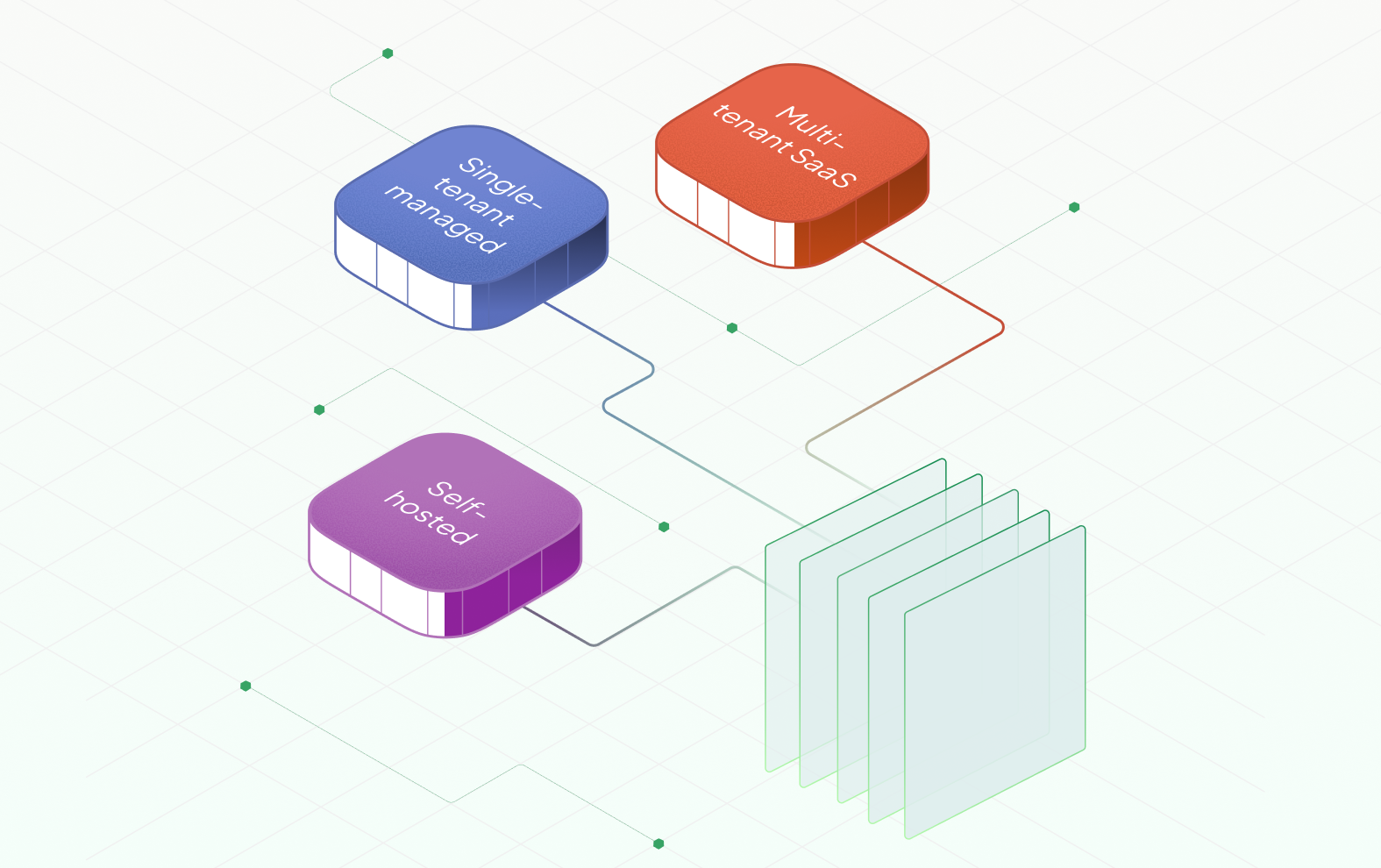
Many teams are unsure exactly where their analytics data lives when using fully hosted SaaS tools. Most providers use vendor-managed infrastructure across multiple regions and sometimes multi-tenant environments. This matters when:
- You operate in regulated sectors
- You manage IP-sensitive product data
- Data sovereignty or residency rules apply (GDPR, finance, healthcare, public sector)
If you don’t have control over the physical location of your analytics data, you don’t have full control over your data environment.
2. Who (beyond our organization) can access our data?
It’s not just about the roles inside your tool — it’s about backend access too. Ask yourself:
- Can the analytics vendor’s employees or third-party contractors see or extract any of it?
- Is there technical capability to access raw or metadata?
Even with strong policies, vendor access introduces risk, especially for organizations working with sensitive data models or proprietary tech. 2025 benchmark: zero vendor access. Anything less compromises sovereignty.
3. What happens if the vendor experiences a breach or security incident?
Recent industry events have shown that even limited breaches — especially involving analytics data — can reveal user identities, location metadata, behavioral patterns, or platform usage signals. These may seem innocuous but can:
- Affect trust and internal risk models
- Provide intelligence for targeted phishing or network probing
- Raise compliance concerns
If your security posture relies on the vendor’s systems and incident response, not your own, your control is limited.
4. Can we fully audit and govern our analytics environment?
Hosted analytics often gives visibility into reports, but not into how the underlying infrastructure is managed. Ask:
- Can we audit access logs at infrastructure level?
- Can we apply our own security policies and controls?
- Can we integrate analytics systems into our internal monitoring tools (SIEM, IAM, etc.)?
If you treat analytics as foundational, it must operate within your governance framework, not outside of it.
5. If our needs change, can we exit without losing functionality or definition logic?
Most lock-in issues arise not from data, but from the definitions, tracking structures, and workflows embedded in the platform. Consider:
- Would migration require re-engineering?
- Can you export tracking logic and configuration, or just raw data?
- If you shifted platform, would downstream systems break?
A platform that holds your logic hostage is a short-term convenience with long-term cost.
6. Does it support our compliance and security models without exception?
Sometimes teams bend internal policy to accommodate analytics platforms. That’s a warning sign. In 2025, analytics must:
- Support SOC/ISO frameworks
- Encrypt data in transit and at rest
- Respect retention rules
- Support identity and access enforcement aligned with corporate policy
Your analytics tool should conform to your compliance standards, not require special accommodation.
7. Will the platform still support us when our infrastructure, scale, or strategy evolves?
Today, you might just need reports. Tomorrow, you may need:
- Event-level integrations across internal systems
- Analytics embedded in AI workflows
- Region-specific deployments
- Custom metrics and internal behavior triggers
- Total isolation of data from external networks
If a platform cannot adapt to your infrastructure strategy, it will ultimately limit it. Analytics that cannot scale with your strategy eventually slows your strategy.
If you can’t confidently answer “yes” to all seven questions…
…it may be time to re-evaluate your analytics architecture. Not because the dashboards aren’t working, but because your relationship with data has evolved.
- It’s not about insight anymore.
- It’s about control, resilience, and readiness.
The tool you selected a year or two ago may still “work,” but if your priorities have shifted - towards stronger governance, compliance, or infrastructure alignment - then that platform might now be a constraint rather than an asset.
How Countly helps organizations realign analytics with governance needs
Countly is built for teams who view analytics not as a UI, but as infrastructure.
- Deploy on-premise or in your private/dedicated cloud
- 100% data ownership: zero vendor access
- Open-source extensibility for full infrastructure alignment
- Full audit and compliance control
- No vendor lock-in: your data, definitions, and logic remain yours
- Used by teams where product data is strategic IP, not just reporting fuel
Final thoughts
Analytics platforms are easy to adopt, and historically hard to unwind. But now, more than ever, the decision isn't just about dashboards. It’s about the standards you set for how your data should be handled.
“Are we still comfortable with the trade-offs we accepted when we chose this platform?”
If you’d like support conducting that evaluation, whether as part of a governance review or vendor risk assessment, our team can help you walk through it based on lessons from real migration cases.