Leveraging Telemetry for Predictive Maintenance in Connected Vehicles

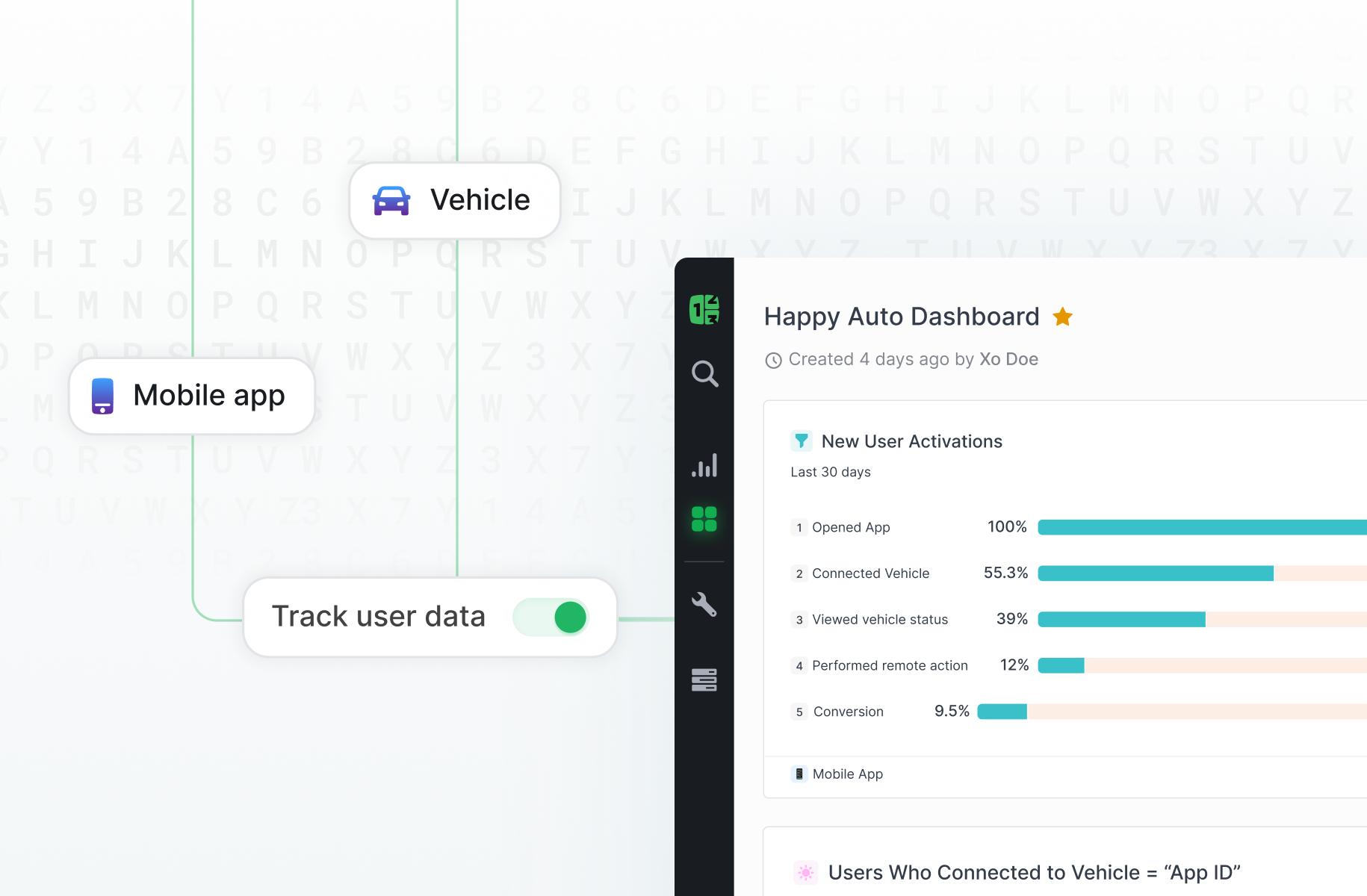
Moving from Reactive to Predictive Automotive Design
In modern automotive design, the transition from reactive repair models to predictive maintenance is powered by data. For Lead Product Designers, the challenge involves translating high-frequency vehicle telemetry tracking into actionable insights.
By utilizing granular analytics, manufacturers can achieve the following:
Real-time Fleet Health Monitoring: Identify component degradation before it leads to catastrophic failure.
Data-Driven Engineering: Create a bridge between technical performance and user experience.
Enhanced Reliability: Deliver safer vehicles through evidence-based design iterations.
Privacy Compliance: Ensure strict adherence to data standards across all connected platforms.
Structuring Vehicle Telemetry Tracking with Custom Events
Vehicle sensors generate vast amounts of data. To make this actionable, raw signals must be structured into meaningful analytics events. Countly facilitates this through robust Custom Events that track specific sensor thresholds.
Defining Scannable Sensor Thresholds
Instead of streaming continuous noise, configure the onboard telemetry unit to fire events only when specific logic is met. This reduces data overhead and focuses analysis on anomalies:
- Battery Health: Trigger an event when voltage drops below 12.2V during ignition. Include metadata such as ambient temperature and vehicle age.
- Tire Pressure: Track rapid pressure loss or sustained operation below recommended PSI to prevent blowouts.
- Fluid Levels: Monitor oil and coolant levels against engine runtime to predict leakages or excessive consumption.
Automating Predictive Maintenance with Proactive Service Alerts
Data collection is only the first step; the value lies in the immediate response. When critical thresholds are breached, the analytics platform must trigger an intervention. Integrating Push Notifications allows the system to alert the driver or the fleet manager immediately.
Logic for Automated Interventions:
1. Event Detection: A battery_voltage_low event is recorded.
2. Frequency Analysis: The system identifies three occurrences within a single week.
3. Proactive Notification: An automated alert suggests a battery check, preventing a non-start scenario.
This capability transforms raw vehicle telemetry tracking into a direct value-add for the end user.
Data Sovereignty and Compliance in Telemetry
Connected vehicles process highly sensitive data, including location history and driving habits. Mass-market analytics tools often expose this data to third-party processing, creating compliance risks under GDPR or CCPA.
Countly addresses this via a deployment model that prioritizes control:
Deployment Flexibility: Host on-premise or in a private cloud.
Data Ownership: Ensure all telemetry data remains within the manufacturer's infrastructure. *
Enterprise Security: Utilize the Enterprise Edition to meet rigorous automotive regulatory standards.
Operationalizing Fleet Health Monitoring for Automotive Design
For product teams, the aggregate view of these events provides a macro-level assessment of vehicle reliability. By analyzing cohorts of vehicles based on model year or firmware version, designers can isolate systemic issues.
- Cohort Analysis: Segment vehicles that frequently trigger specific sensor warnings to find patterns.
- Drill-Down: Correlate hardware failures with external factors like region, climate, or driving style.
- Design Optimization: Use insights to refine hardware specifications or adjust software thresholds in future updates.
By rigorously applying these analytics strategies, automotive leaders ensure their designs rely on evidence-based Privacy & Compliance frameworks, securing both the vehicle's performance and the user's data.
Frequently Asked Questions
How does Countly handle high-frequency sensor data without impacting vehicle connectivity costs?
Countly recommends implementing edge-processing logic where the vehicle's onboard unit filters data. Events are only sent when specific thresholds (e.g., voltage drops or pressure spikes) are breached, rather than streaming continuous raw sensor data. This minimizes bandwidth usage and storage costs.
Can we host Countly on our own servers to comply with automotive data privacy regulations?
Yes. Countly offers a self-hosted (on-premise) or private cloud edition. This ensures that all telemetry and user data remain entirely within your infrastructure, providing full compliance with GDPR, CCPA, and internal data sovereignty policies.
Is it possible to automate maintenance requests based on telemetry data?
Yes. You can use Countly's Hooks and Push Notifications plugins. When a critical custom event is received (e.g., 'engine_temp_critical'), a Hook can trigger an API call to your CRM or scheduling system, or a Push Notification can be sent directly to the driver's mobile app.
How does Countly differentiate between software glitches and physical component failures?
By combining Crash Reporting (for software stack traces) with Custom Events (for physical sensor readings), product teams can correlate data. If a software crash coincides with a sensor spike, it may indicate a firmware issue. If the sensor reports failure without a software crash, it likely indicates physical degradation.


Posts that our readers love

to grow your product
is here.