Managing In-Vehicle Consent for Shared Mobility: A Privacy-First Approach

The Connected Cockpit: Privacy in a Shared Vehicle Environment
Modern vehicles function as edge computing nodes, generating significant volumes of telemetry daily. For Original Equipment Manufacturers (OEMs) and fleet operators, this data is essential for predictive maintenance and UX optimization. However, as the industry evolves, connected car privacy has become a paramount concern. The rise of car-sharing services, rental fleets, and multi-driver family vehicles introduces specific architectural requirements for in-vehicle consent management.
Unlike a personal smartphone used by a single individual, a connected car is a transient environment. One vehicle may host dozens of distinct users in a single week. To maintain OEM data compliance, the analytics architecture must dynamically adapt to the privacy preferences of the current occupant, rather than relying on hardware-level permissions.
The Technical Challenge of Dynamic Consent States
GDPR and CCPA regulations identify the individual, not the vehicle hardware, as the data subject. This distinction creates specific technical requirements:
- Session Isolation: Data from Driver A must remain logically isolated from the session of Driver B.
- Consent Granularity: A driver may authorize safety telemetry while opting out of behavioral tracking.
- Data Erasure: Temporary users (e.g., valets or rental guests) must have their data identifiers purged upon session termination to fulfill "Right to be Forgotten" requests.
Generic analytics implementations often lack the flexibility for these requirements because they rely on persistent device IDs. In a shared vehicle context, using a static VIN (Vehicle Identification Number) for user tracking results in a compliance violation.
The Solution: Context-Aware Consent Management
Addressing these requirements requires a consent layer that triggers upon user authentication or ignition. Countly facilitates this through granular feature gating.
1. Utilizing Session-Based Consent Hooks
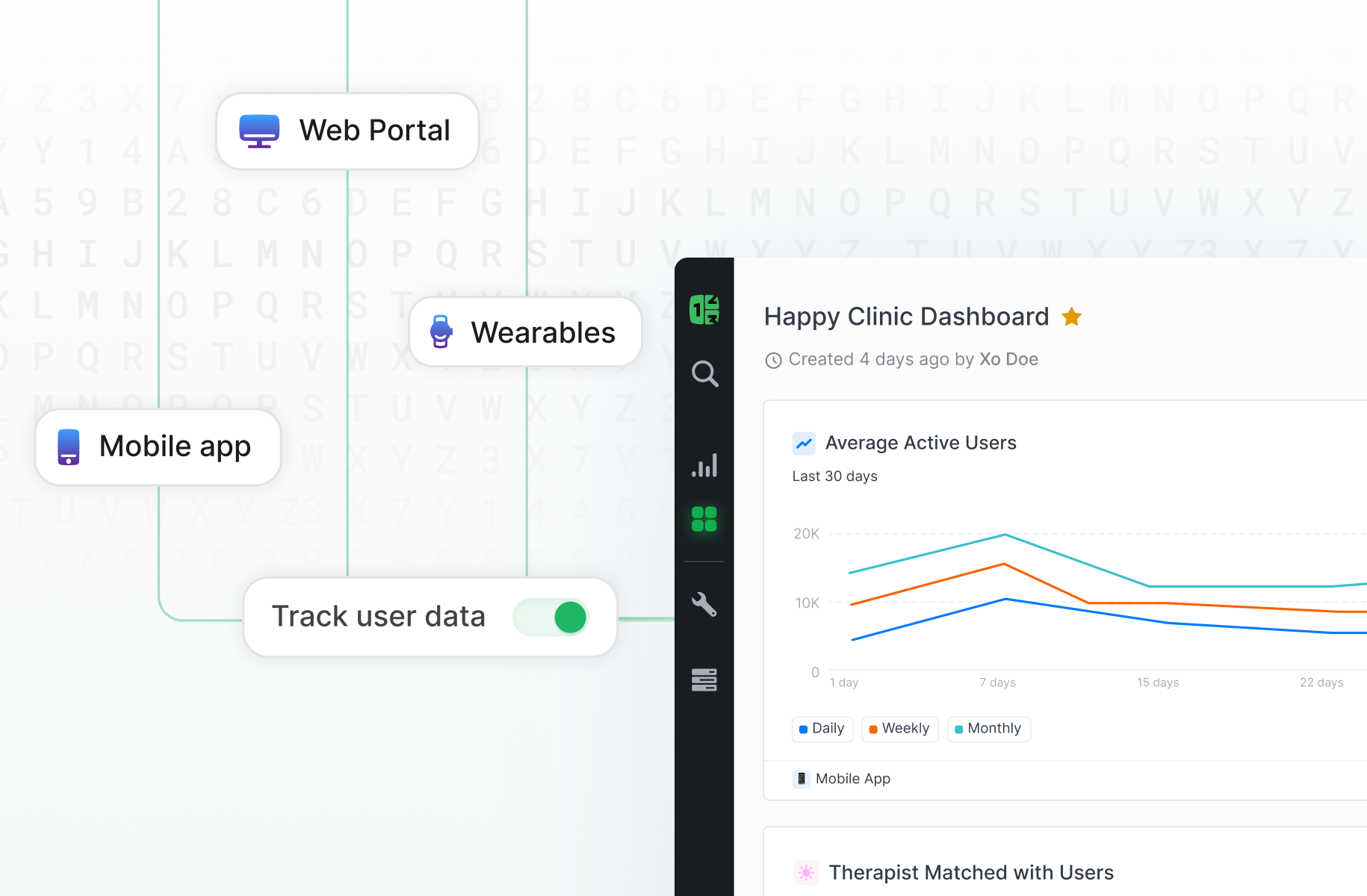
Countly’s SDKs allow for the initialization of analytics instances without active consent, queuing events until specific permissions are verified. In a shared vehicle, the infotainment system (IVI) should prompt the user for preferences upon profile load. If the user opts out, the SDK initializes a strictly anonymous session or disables tracking for that drive cycle.
By prioritizing Privacy & Compliance, OEMs ensure data collection mechanisms adhere to regional regulations like GDPR, preventing unauthorized data processing before explicit approval is logged.
2. Managing Individual Driver Profiles vs. Hardware IDs
Precise analysis requires separating the hardware from the operator. Countly enables the creation of distinct User Profiles linked to a driver ID rather than a hardware ID.
- Primary Owner: Persistent profile for historical data analysis (subject to consent).
- Guest/Rental User: Ephemeral profile. Data is collected for the session duration and can be anonymized or purged post-drive.
- Valet Mode: Zero-tracking state for operational privacy.
This separation allows product teams to analyze interaction patterns within the digital cockpit without compromising individual privacy rights.
3. Segregating Critical Safety Telemetry from Behavioral Analytics
Data processing requirements vary by data type. Essential diagnostic data often falls under "Legitimate Interest" for vehicle safety, while media consumption habits require explicit opt-in.
Countly allows for the definition of multiple consent groups. This enables the collection of Crash Reporting metrics to maintain vehicle safety and software stability, even if the user has opted out of marketing or behavioral analytics. Engineering teams receive the necessary telemetry for debugging without violating user privacy regarding usage habits.
Data Sovereignty and Security in the Automotive Sector
In the automotive sector, data ownership is a strategic asset. Relying on third-party analytics vendors that monetize data introduces security risks and conflicts of interest. Countly’s Private Cloud and On-Premise deployment options ensure that telemetry data remains within the OEM’s infrastructure, isolated from third-party access. This architecture provides a robust framework for ensuring end-to-end security in the era of the software-defined vehicle (SDV).
Frequently Asked Questions
How does Countly handle data when a driver switches mid-journey?
Countly handles driver switches by ending the current session and initiating a new one. The SDK can be programmatically triggered to stop tracking, clear user data from the cache, and re-initialize with the new driver's consent preferences and user ID instantly.
Can we collect vehicle health data without user consent?
Yes, provided the data is strictly anonymized and falls under 'Legitimate Interest' (such as safety or product liability). Countly allows you to separate consent for 'Crash Reporting' or 'Performance' from 'User Behavior', enabling the collection of non-PII technical telemetry while respecting user privacy for behavioral data.
Does Countly support offline data collection for vehicles in areas with poor connectivity?
Yes. Countly SDKs queue requests internally when the device is offline (e.g., in tunnels or remote areas). Once connectivity is restored, the queued data is securely transmitted to the server, preserving the correct timestamps and session order.
Is Countly compliant with automotive data regulations like UNECE WP.29?
Countly supports compliance with stringent regulations like UNECE WP.29 (Cybersecurity Management Systems) by offering on-premise hosting (ensuring total data sovereignty), granular access controls, and audit logs, which are essential for cybersecurity and data privacy audits in the automotive sector.


Posts that our readers love


to grow your product
is here.